
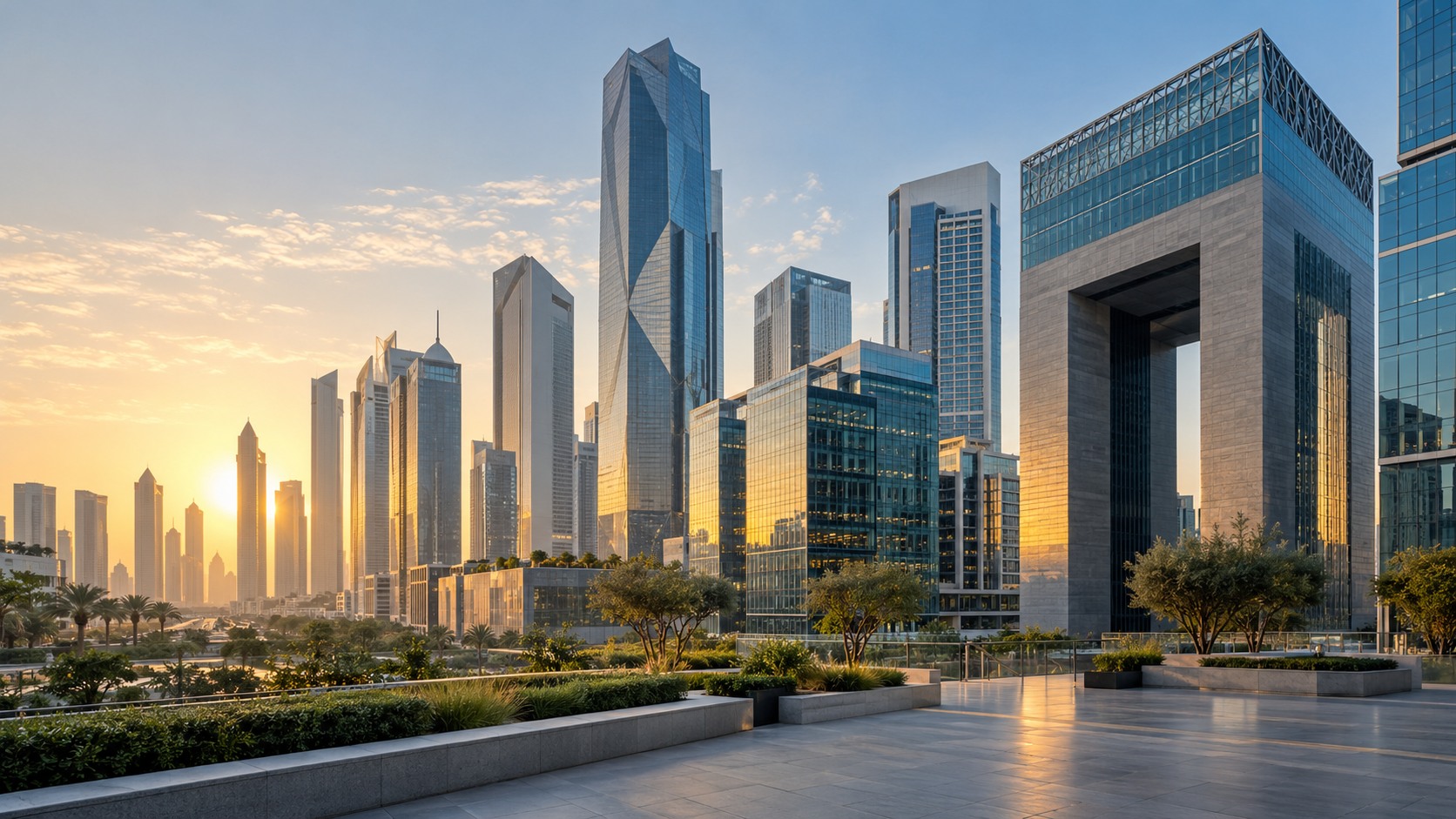
Certification & Compliance Management for the UAE
Abu Dhabi made its own green-building rating mandatory years ago, and Dubai became the first MENA city to earn LEED’s platinum city rating. Here’s what that regulatory momentum means for certification and ESG teams in the UAE.
The UAE’s two largest emirates have each built green building requirements directly into their construction permitting process, rather than leaving certification voluntary. In Abu Dhabi, the Estidama Pearl Building Rating System is mandatory for proposed construction projects and is integrated into the building-permit process itself. In Dubai, Al Sa’fat — the Dubai Green Building System — replaced the emirate’s earlier 2010 Green Building Regulations and Specifications in October 2020, carrying the same underlying mandate forward under a new name and structure.
Internationally recognized certification has grown alongside those local schemes rather than being displaced by them: in 2019, Dubai received a platinum rating in LEED for Cities from the US Green Building Council, becoming the first city in the MENA region to earn that recognition — a signal, among developers courting international tenants and investors, that LEED credentials carry real weight in the Dubai market specifically.
Why certification and ESG disclosure matter in the UAE
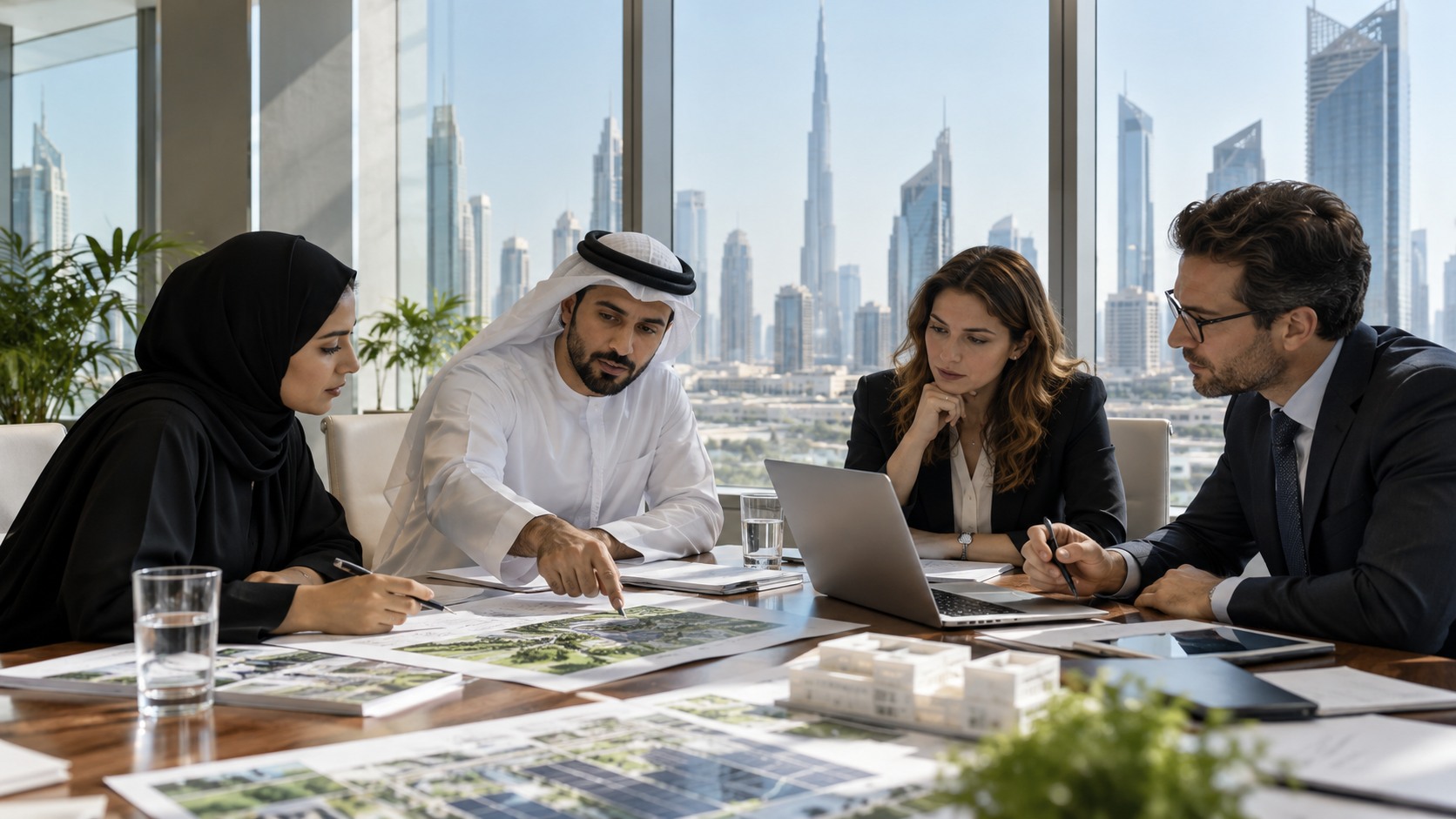
Regulatory pressure on the ESG-disclosure side has built quickly, much of it tied to the UAE hosting COP28 in 2023. The UAE Securities and Commodities Authority now requires listed companies to publish annual sustainability reports — within 90 days of year-end or before the AGM, whichever comes first — following GRI Standards, and the UAE’s Federal Climate Law, effective May 2025, made greenhouse-gas reporting a requirement rather than a voluntary gesture even outside the listed sector. Financial free zones have moved in parallel: DIFC’s own sustainability framework now covers green financial instruments and an ESG taxonomy for businesses operating under it.
None of this is unified into one single national ESG regime yet — a company can face SCA rules, free-zone rules and the Federal Climate Law simultaneously depending on where and how it operates — which is exactly the kind of fragmented, multi-source reporting burden that benefits from one place to track evidence once rather than reassembling it per regulator.
How big is the UAE’s green building market?
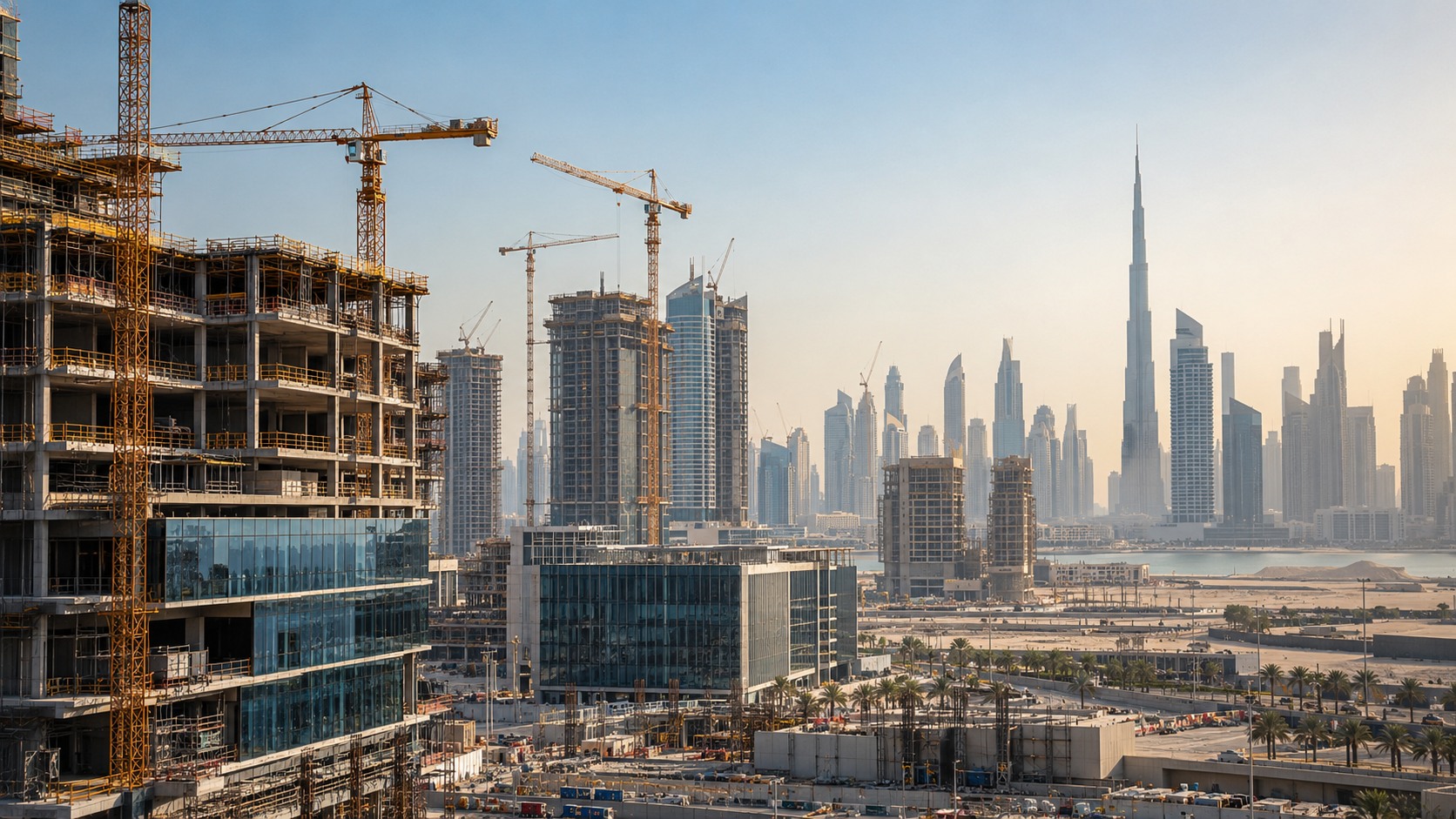
Estimates vary significantly depending on methodology and scope. GlobalData puts the market at roughly $5.17 billion in 2025 (a 10.2% CAGR from 2020-2025, with non-residential buildings making up about two-thirds of that value); BlueWeave Consulting estimates $8.36 billion for 2024, projecting 8.5% annual growth to $14.8 billion by 2031; P&S Intelligence estimates $7.1 billion in 2025, growing 9.2% a year to $13.1 billion by 2032. None of these numbers should be treated as a single defensible figure — they reflect genuinely different definitions of what counts as “the market” — but every estimate agrees on strong, high-single-digit-to-double-digit annual growth.
The consistent driver cited across these reports is regulation, not market demand alone: Dubai’s Clean Energy Strategy 2050 and Abu Dhabi’s Estidama Pearl Rating System are named as the key policy frameworks pushing that growth.
A closer look: ICD Brookfield Place
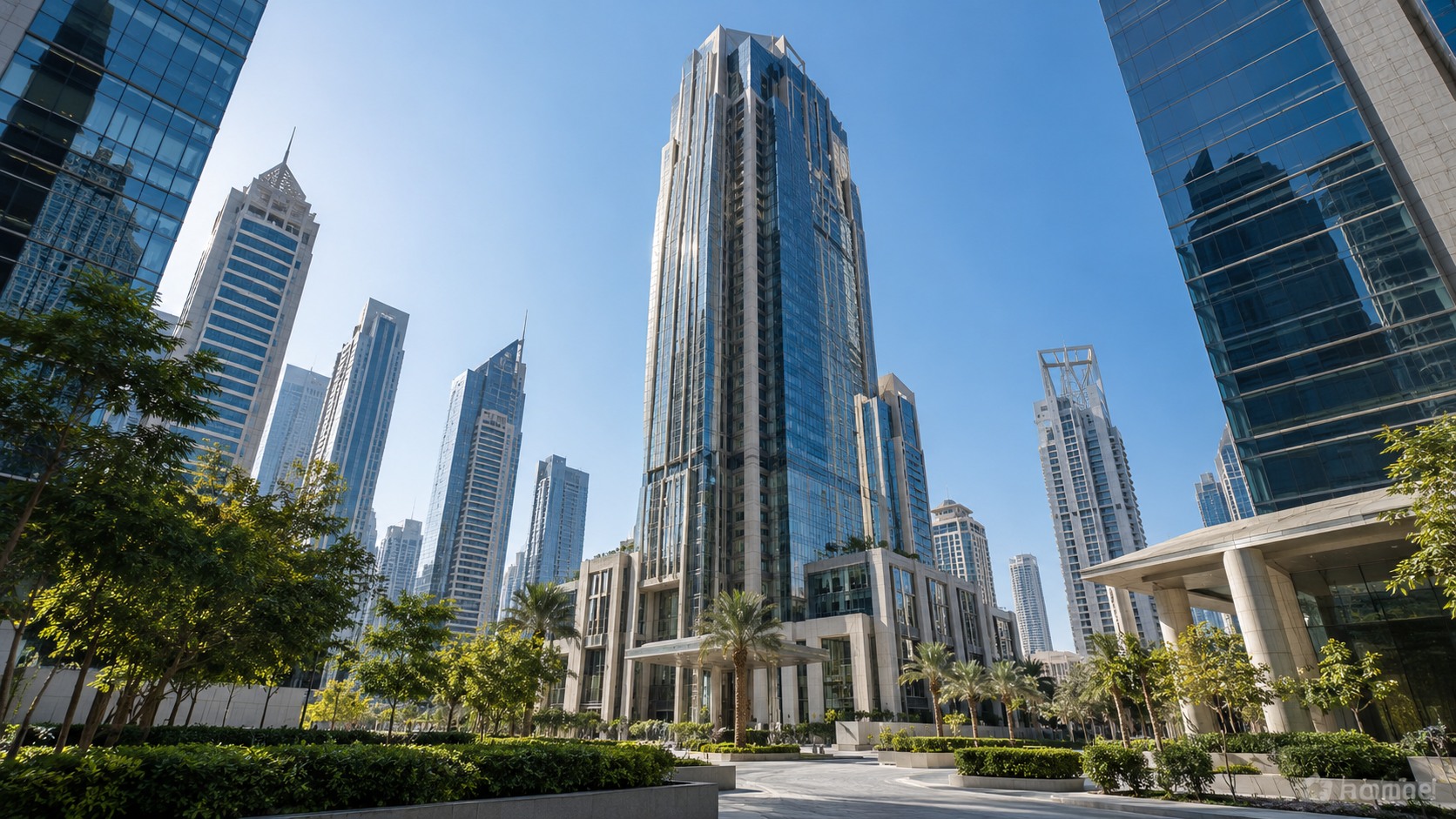
ICD Brookfield Place, a 53-storey office tower in Dubai’s DIFC financial district, holds LEED Platinum certification — and is the tallest and largest office building in the entire EMEA region (Europe, the Middle East and Africa) to achieve that rating. That’s not a regional qualifier; it’s a continent-spanning one.
Other Dubai towers make the same point at a slightly smaller scale: Standard Chartered Tower, an 18-storey Grade A office building in Downtown Dubai, holds LEED Gold for its shell and core and LEED Platinum for its fit-out, and was the first LEED-certified tower in Downtown Dubai specifically.
How Ecoinch helps
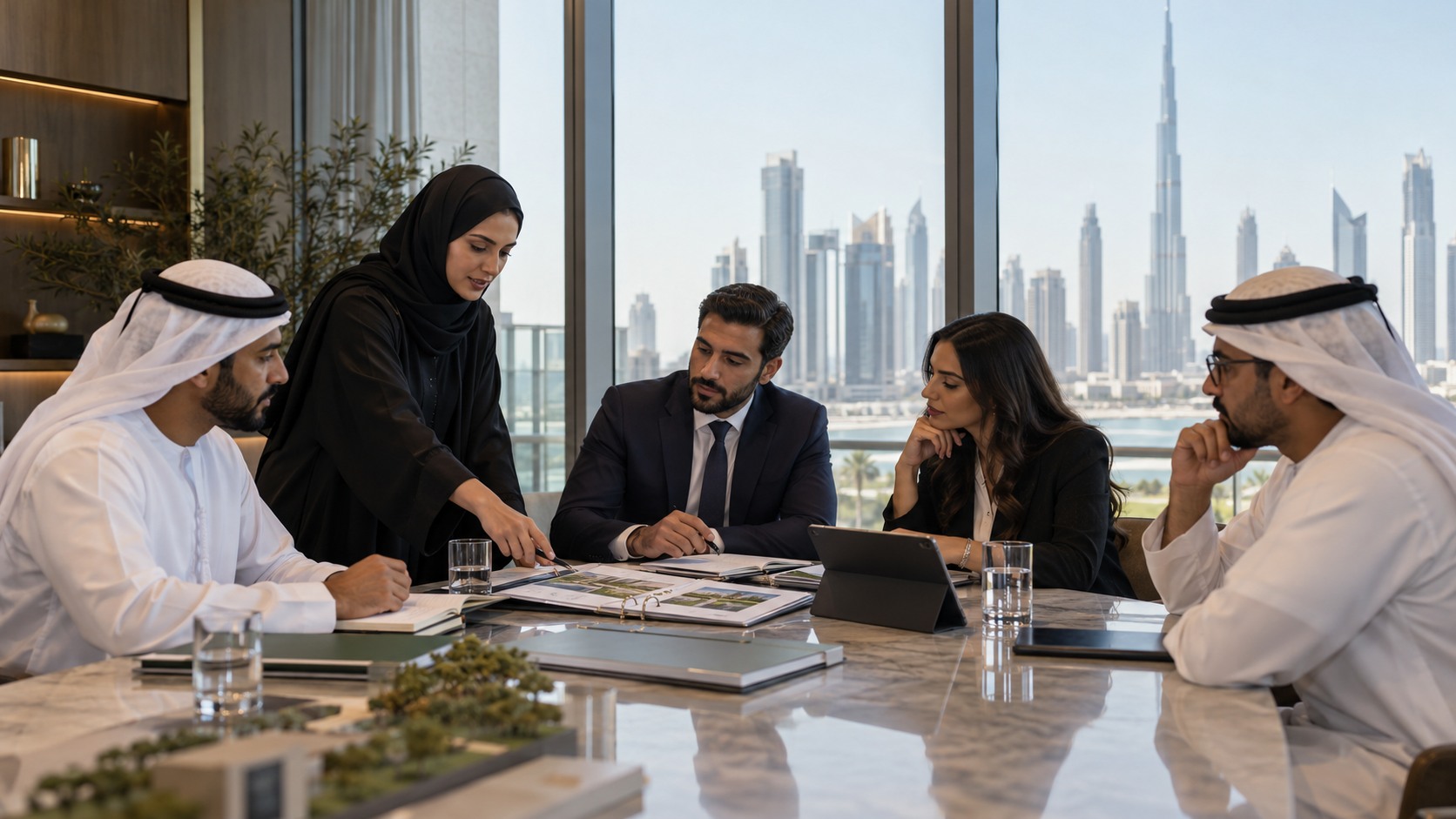
Ecoinch’s LEED and EDGE credit structures are built into the platform for certification work that needs to stand up to the same international scrutiny Dubai’s LEED for Cities platinum rating represents — alongside GRI-aligned sustainability reporting, matching the framework the SCA’s own disclosure rule requires of listed companies.
Both live in the same workspace, so a developer or listed company facing Estidama or Al Sa’fat’s local permitting requirements, an SCA disclosure deadline, and an LEED or EDGE certification target isn’t tracking three separate systems by hand.
How a certification and reporting cycle runs on Ecoinch

A project registers under LEED or EDGE, assigns credits to responsible owners, and collects evidence continuously rather than under deadline pressure — the same structured cycle a listed company’s GRI-aligned sustainability reporting follows, so certification evidence and disclosure reporting can draw on the same underlying record instead of two disconnected processes.