
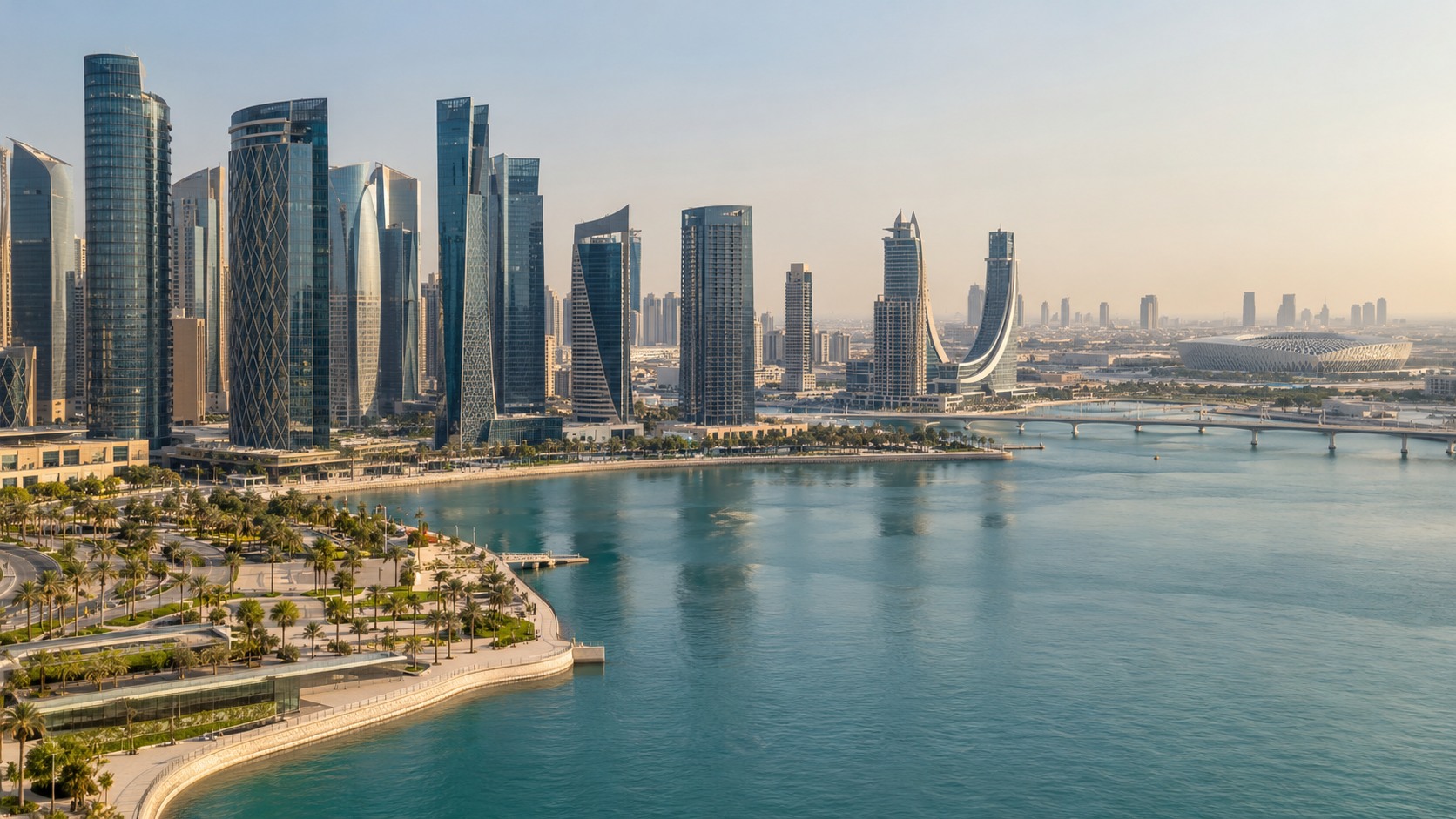
Certification & Compliance Management for Qatar
Qatar’s own GSAS rating system became the official sustainability standard for the 2022 World Cup’s stadiums — and the country has kept applying it to new construction ever since. Here’s what that legacy means for certification and ESG teams in Qatar today.
GSAS — the Global Sustainability Assessment System, run by the Gulf Organisation for Research and Development (GORD) — began in 2007 as the Qatar Sustainability Assessment System and was renamed and expanded to cover the wider Middle East and North Africa region in 2012. FIFA approved it in 2014 as the official sustainability rating standard for all infrastructure built for the 2022 World Cup, and according to FIFA’s own final sustainability report, every stadium targeted for certification met or exceeded its target rating — five venues reached the top five-star Design & Build rating, and six reached the highest Class A* tier for construction management.
GORD’s own chairman has described the World Cup’s certification push as a lasting legacy rather than a one-off event: GSAS has reportedly been applied to more than 1,500 building projects across Qatar in the years since, including the Doha Metro and new developments like Lusail City — meaning the sustainability-rating habit built for a single tournament has become the default for construction across the country.
Why certification and ESG reporting matter in Qatar

GSAS’s ratings run from two to five stars and require both a desk review and a site audit — a formal, documented process that leaves a paper trail by design. For projects that also need to be legible to international investors, financiers or multinational tenants, LEED and EDGE remain the certifications with recognition outside the GSAS/MENA footprint, and increasingly run alongside a GSAS submission rather than instead of it.
On the disclosure side, the Qatar Stock Exchange has run voluntary ESG reporting guidance since around 2016 as part of its membership in the UN Sustainable Stock Exchanges Initiative, referencing GRI, SASB and TCFD and backed by its own ESG reporting dashboard. The exchange’s own leadership has stated an intention to eventually make that disclosure mandatory for all listed companies — reporting is voluntary today, but the direction of travel is clearly toward a hard requirement, not away from one.
How far GSAS has spread since the World Cup
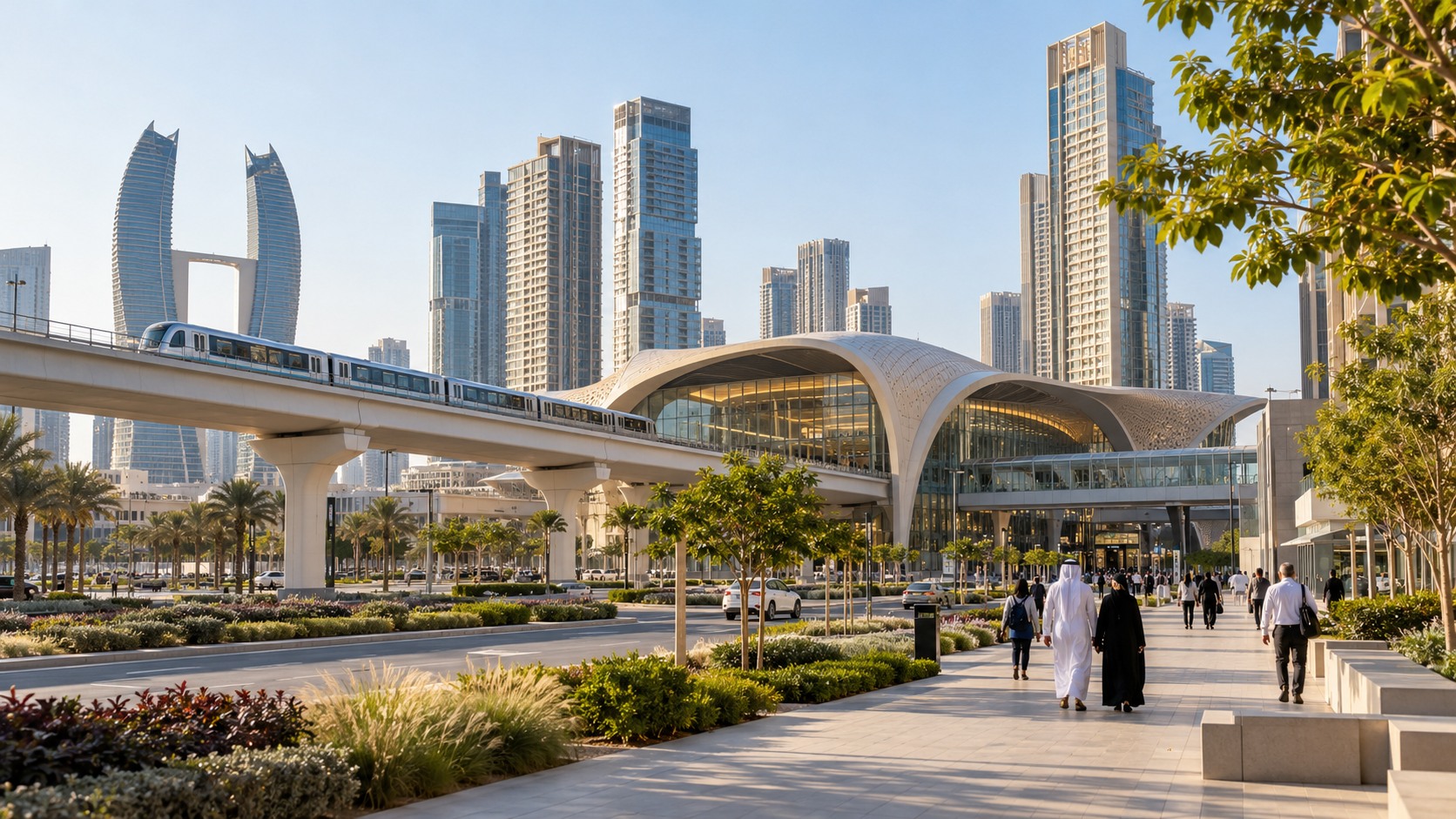
GORD’s own chairman has put a number on GSAS’s post-World Cup reach: the system has been applied to more than 1,500 building projects across Qatar in the years since the tournament, including the Doha Metro and new developments like Lusail City. That scale is the clearest evidence that the certification habit built for a single event became the default for construction nationally, not a one-off requirement tied to stadium deadlines.
The disclosure side is moving in the same direction, just more slowly: the Qatar Stock Exchange’s voluntary ESG guidance, running since around 2016, references GRI, SASB and TCFD, and QSE’s own leadership has stated an intention to eventually make that disclosure mandatory for all listed companies.
A closer look: Education City Stadium
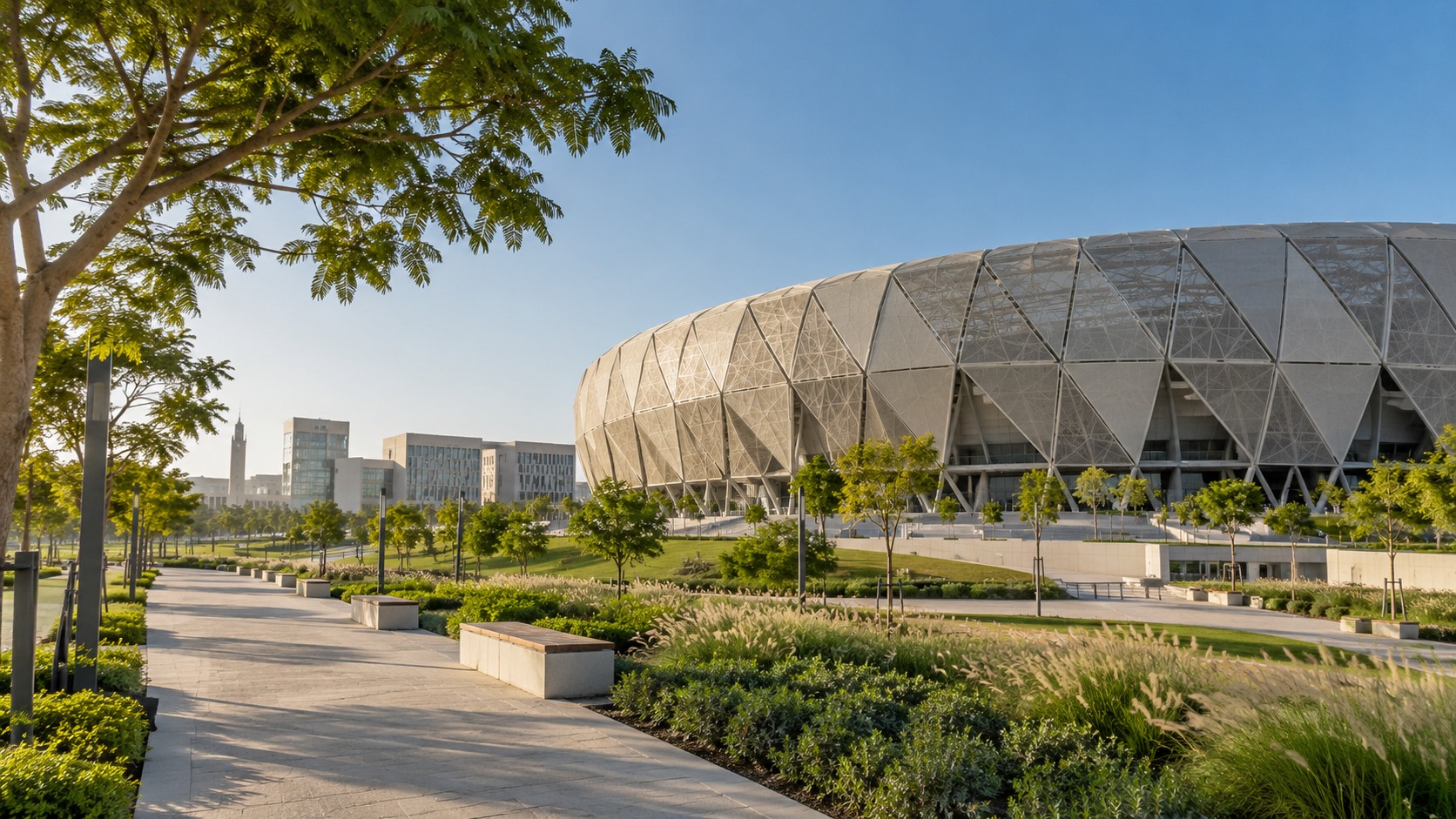
Education City Stadium was awarded a GSAS five-star rating — the top tier of the scheme — among the five World Cup venues that reached that level for Design & Build. The stadium’s certification process, like every GSAS rating, required both a desk review and a site audit, leaving a documented paper trail rather than a self-reported claim.
That same stadium now sits inside Education City, a long-term university and research district rather than a single-use tournament venue — one concrete example of how a World Cup-era certification became part of an ongoing, operating piece of infrastructure rather than a one-time badge.
How Ecoinch helps

LEED and EDGE credit structures are built into Ecoinch for certification work that needs recognition beyond the GSAS/MENA footprint, alongside GRI-aligned sustainability reporting that matches the framework the Qatar Stock Exchange’s own ESG guidance already references.
For a listed company or large developer getting ahead of QSE’s stated move toward mandatory disclosure, building that reporting discipline now — with evidence properly tracked from day one — is considerably easier than retrofitting it once a hard deadline exists.
How a certification and reporting cycle runs on Ecoinch

A project registers under LEED or EDGE, assigns each credit to a responsible owner, and collects evidence continuously through desk-review and audit-ready documentation — the same discipline that underpins a GRI-aligned sustainability report, so a certification project and a voluntary (soon potentially mandatory) ESG disclosure draw on one shared, continuously maintained record.