
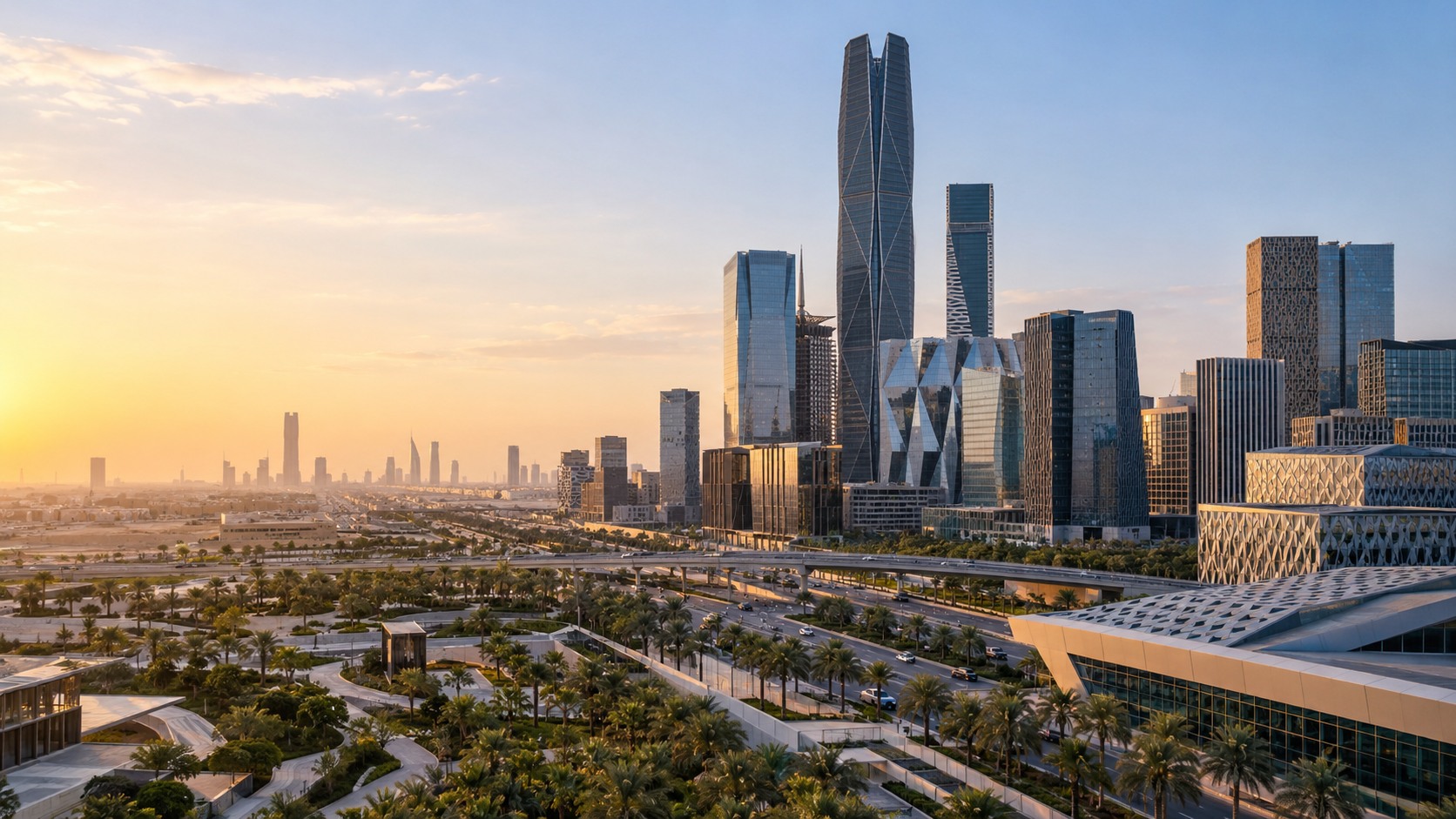
Certification & Compliance Management for Saudi Arabia
Vision 2030 treats ESG disclosure as a strategic requirement, not an optional extra, and the giga-projects built under it are tying tens of billions of dollars in financing to verified sustainability metrics. Here’s what that means for certification and ESG teams in the Kingdom.
Saudi Arabia’s Vision 2030 strategy frames ESG disclosure as a core part of corporate strategy and investor trust, with an explicit goal of “world-class” ESG compliance across listed companies by 2030. Tadawul, the Saudi stock exchange, backed that direction with ESG disclosure guidelines for listed companies as early as 2018 — well ahead of similar moves across much of the region.
That strategic framing shows up most visibly in the Kingdom’s giga-projects. The Public Investment Fund’s Green Finance Framework, launched in 2022, ties giga-project funding — including NEOM and the Red Sea developments — to sustainability metrics that require annual, third-party-assured reporting on project impact, and PIF’s green-project investment has reportedly exceeded $19.4 billion. Saudi Arabia’s own net-zero target sits at 2060, and at least one market report describes broader sustainability adoption across the Kingdom as still in its early stages outside these flagship projects.
Why certification and verified ESG reporting matter in Saudi Arabia

When giga-project financing is explicitly tied to sustainability metrics with required third-party assurance, the underlying evidence behind every reported metric has to be able to survive an external auditor’s review — not just read well in a glossy annual report. That’s a materially higher bar than voluntary ESG reporting, and it applies pressure down through every contractor and consultant working on a PIF-linked project, each of whom needs to produce evidence that holds up when assurance providers come asking.
For certification work specifically, international frameworks remain the common reference point on these projects, since giga-projects are built explicitly to be legible to the global investors and partners Vision 2030 is courting — the same audience that recognizes LEED and EDGE credentials.
How big is Saudi Arabia’s green building market?
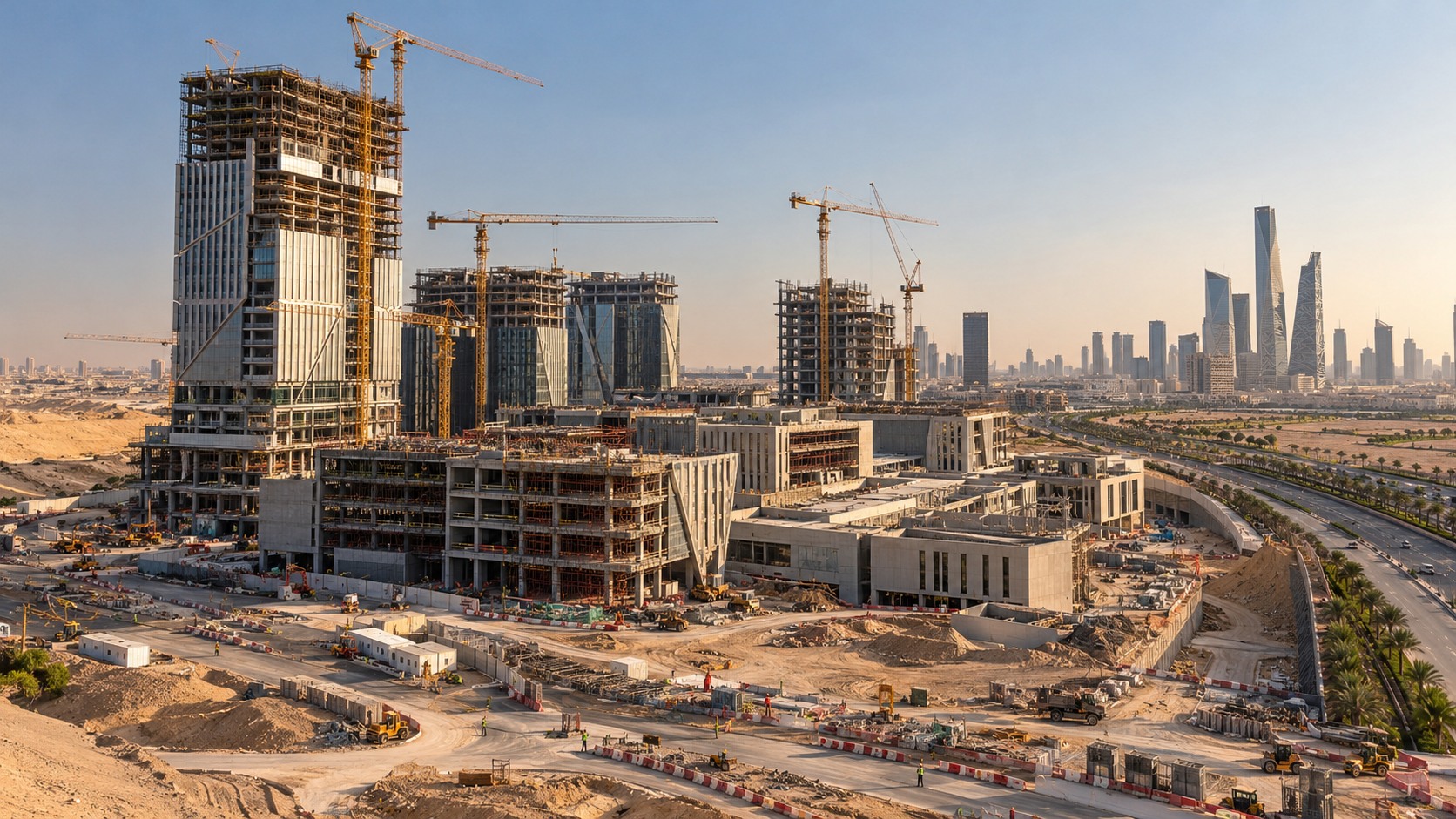
Certification activity has a solid, specific number behind it: under the Saudi Green Building Forum’s SAAF system, the Kingdom reports a regional-leading performance score of 76.31 points, with more than 1.03 million square meters of certified building area and 6,662 projects in its wider portfolio. Dollar-value market-size estimates are far less consistent — GlobalData puts 2025 revenue at roughly $5.15 billion, while P&S Intelligence estimates $16.4 billion for 2024 rising to $33.0 billion by 2030 — a gap wide enough that the underlying certification-activity numbers above are the more defensible figures to cite.
Independent of either estimate, one study cited by a regional outlet found that certified green buildings in the Kingdom use roughly 25% less energy than conventional ones — a concrete operational number rather than a market-value projection.
A closer look: Red Sea Global’s certification portfolio
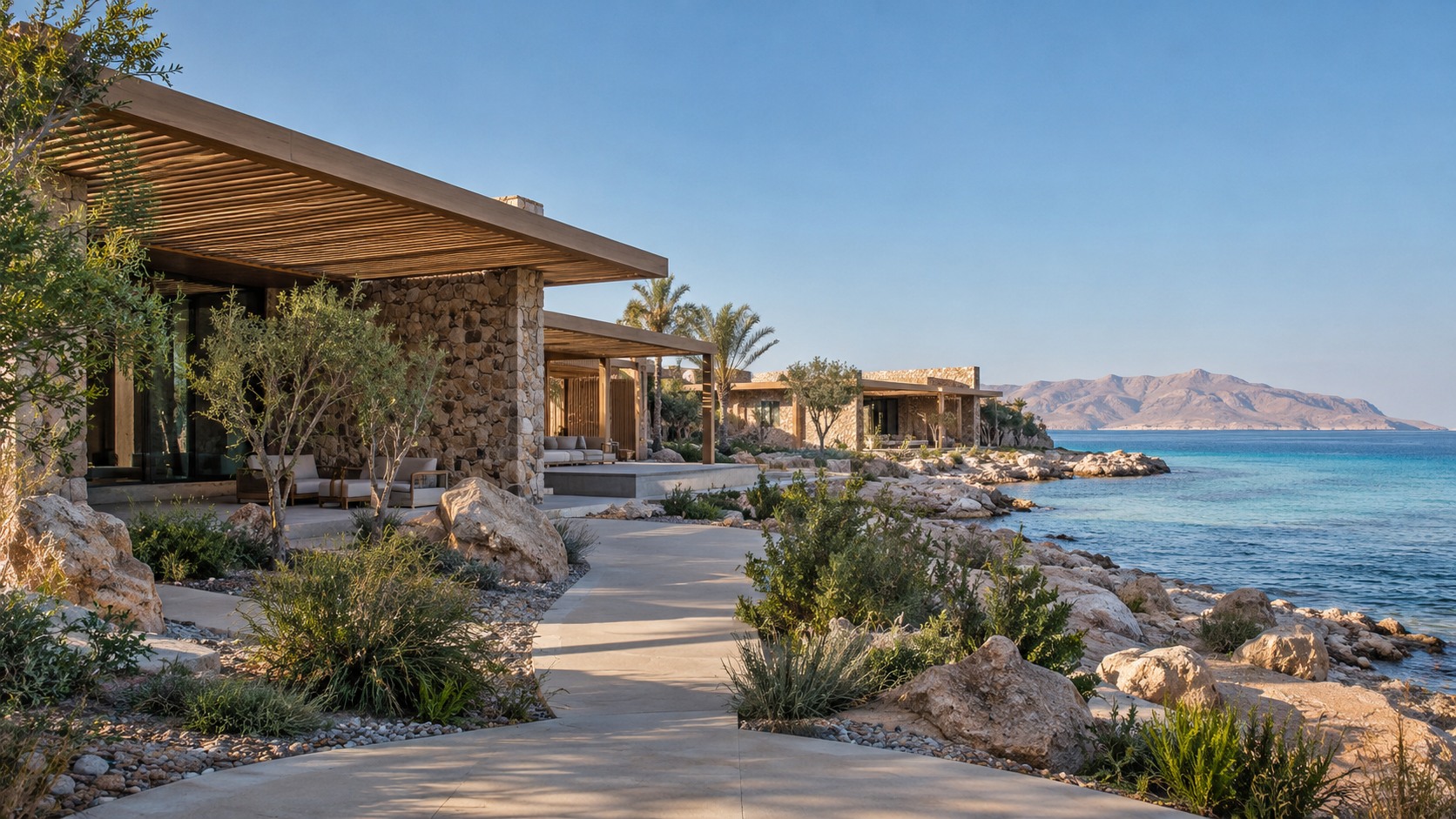
Red Sea Global, the developer behind The Red Sea and AMAALA destinations, has built one of the region’s most extensive certification portfolios: Turtle Bay’s staff villas and townhouses earned LEED Homes Platinum, three resorts (Six Senses Southern Dunes, The St. Regis Red Sea Resort and Nujuma, a Ritz-Carlton Reserve) reached LEED Platinum under Building Design + Construction, and Red Sea International Airport became the first airport in Saudi Arabia — and one of only five worldwide — to achieve LEED Platinum.
AMAALA’s own masterplan went a step further, earning LEED for Cities and Communities pre-certification at the Platinum level — extending certification beyond individual buildings to an entire planned destination. Separately, RSG also became the first Saudi real-estate company to receive Mostadam Diamond certification (the Kingdom’s own national scheme) across 211 buildings — a local-scheme achievement worth noting as market context, distinct from its LEED portfolio.
How Ecoinch helps
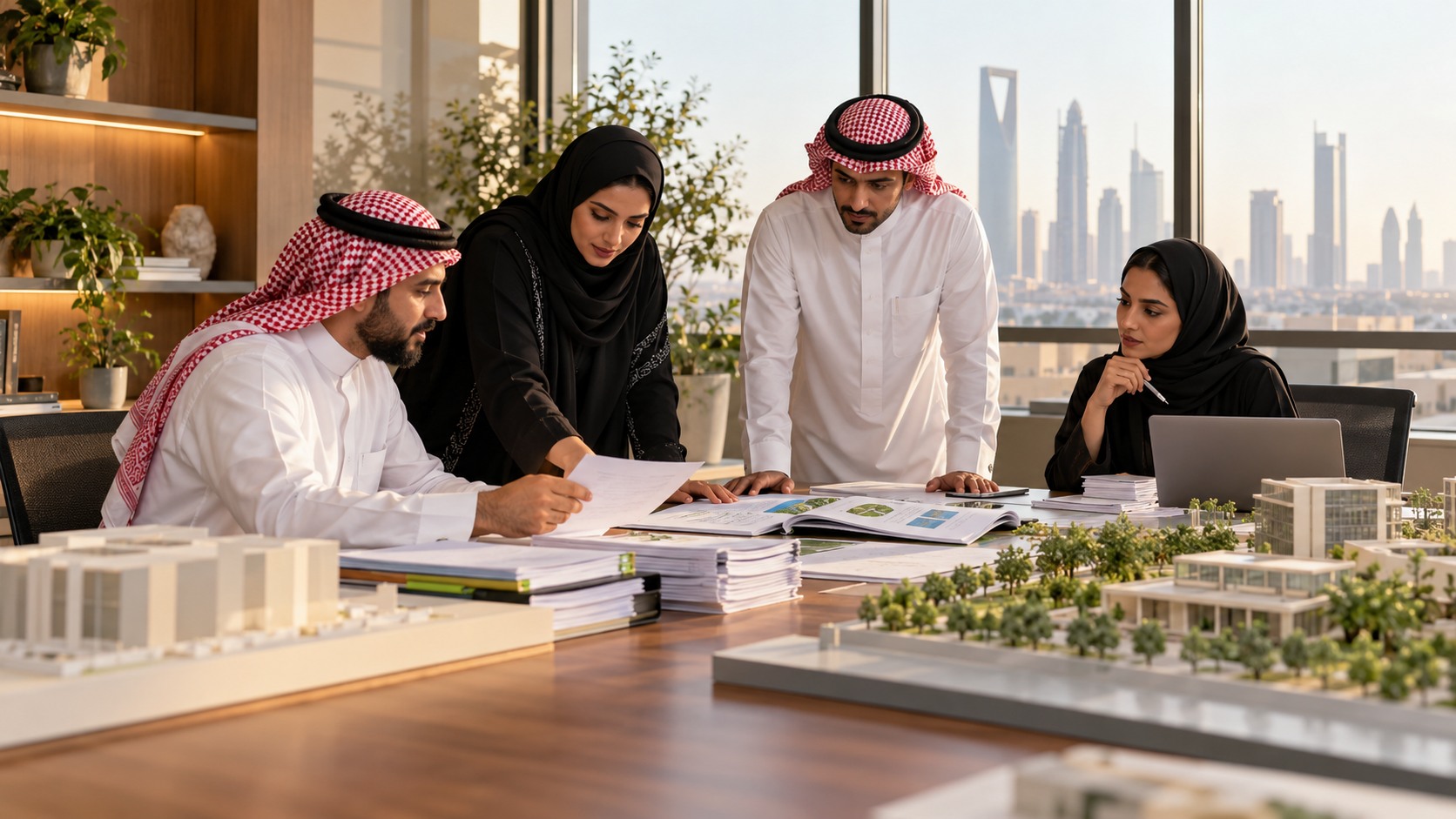
LEED and EDGE credit structures are built into Ecoinch, alongside GRI-aligned sustainability reporting that mirrors the Tadawul disclosure guidelines Saudi-listed companies already follow. For project teams on PIF-linked work, that means every credit and every reported metric has a named responsible owner and a versioned evidence trail — exactly what a third-party assurance review is going to ask to see.
That same evidence trail doubles as the audit-ready record Tadawul’s ESG disclosure guidelines call for, so certification work and listed-company reporting aren’t two separate systems maintained by two separate teams.
How a certification and reporting cycle runs on Ecoinch
A project registers under LEED or EDGE, assigns each credit to a responsible owner, and collects verified evidence continuously — building the same kind of auditable trail a PIF-linked giga-project’s third-party assurance review requires, rather than assembling a case retroactively when the review date arrives.