
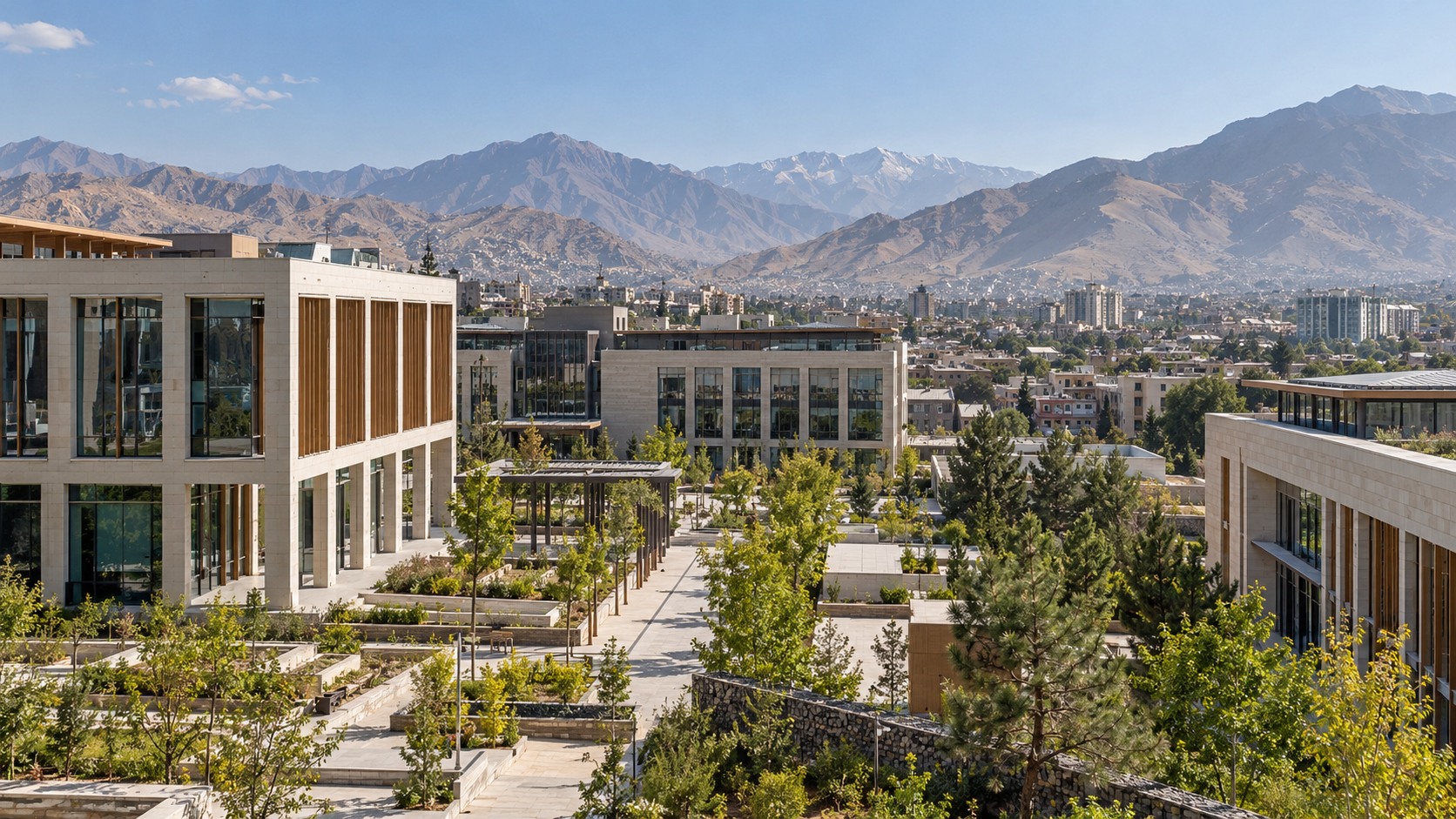
Certification & Compliance Management for Afghanistan
Afghanistan has been one of EDGE’s active markets since IFC extended the certification to more than 120 countries. Here’s what that means for development-funded and private construction projects that need credible, auditable sustainability evidence.
EDGE, the International Finance Corporation’s green building certification for emerging and developing markets, lists Afghanistan among the more than 120 countries where it is active — reflecting how the certification was built specifically for markets where construction activity is often tied to international development financing rather than purely private capital. IFC’s own coverage for Afghanistan runs through its Pakistan country office, which has historically managed both markets together.
The construction sector itself has been shaped heavily by that financing pattern over the past two decades — a period that one sector review described as a major beneficiary of international investment, with extensive road, school and health-facility construction tied to donor funding. More recent reporting has also described a large number of previously active construction companies facing stalled projects, underscoring how closely the sector’s fortunes track international financing cycles rather than a purely domestic construction market.
Why structured evidence matters for projects in Afghanistan
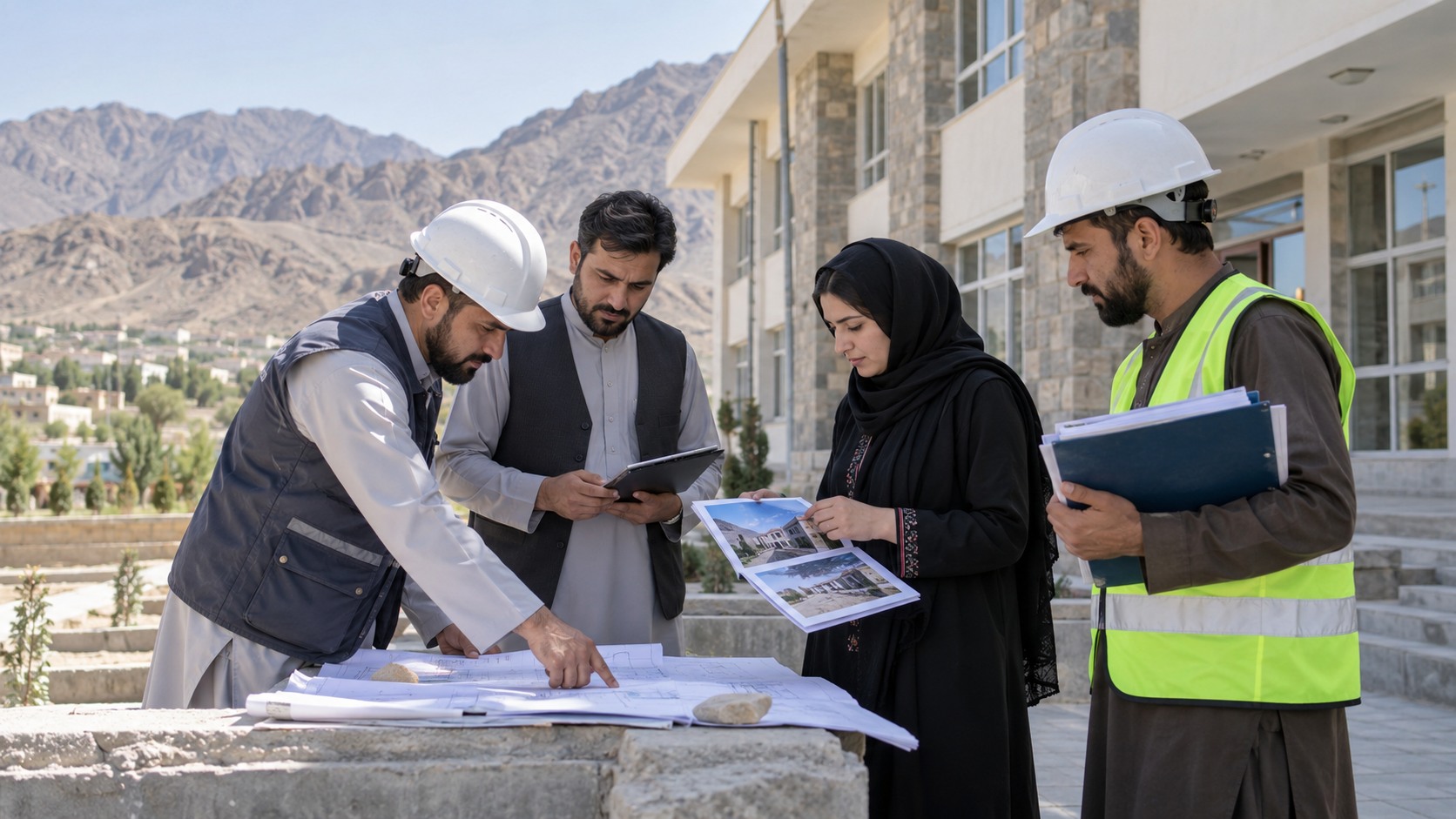
When a building project is funded or co-funded by an international development partner, the evidence behind any sustainability or certification claim tends to matter as much to the funder as it does to the end user — a certification that can’t produce clear, auditable records behind each credit doesn’t satisfy the reporting a multilateral or NGO funder typically requires. EDGE’s own certification bar is explicit about this: a minimum 20% reduction in energy use, water use and the embodied energy of construction materials, verified against a defined baseline rather than claimed informally.
That verification requirement is exactly where a project without a structured system tends to lose the paper trail — evidence scattered across whichever consultant, contractor or NGO office happened to be handling a given phase of the work, with no single record of which credits are actually substantiated when the funder asks.
What the market data actually shows
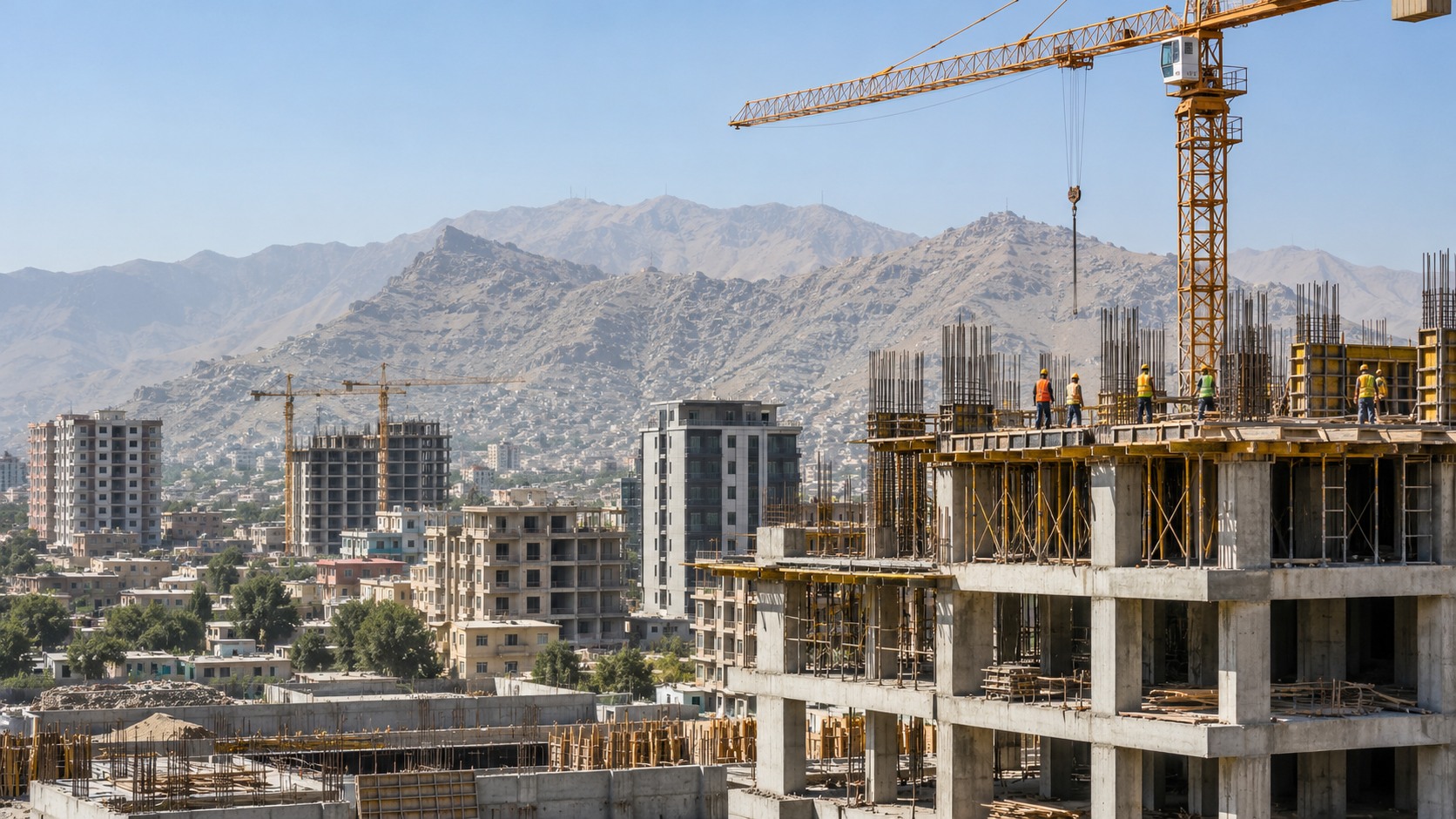
Granular, current data on Afghanistan’s green-building market specifically is scarce — this is worth saying plainly rather than estimating a number that isn’t well supported. What is documented is the structural shape of the sector: IFC’s EDGE certification is active in nearly 140 countries including Afghanistan, and the country’s construction sector has historically tracked international development financing cycles closely, with one sector review describing GDP roughly quadrupling since 2002 on the back of donor-funded infrastructure, before more recent reporting described a large number of previously active construction companies facing stalled projects as that financing shifted.
That financing-dependent pattern is exactly why structured, auditable evidence matters more here than in a market driven by private capital — a funder deciding whether to continue or renew support is reading the same evidence a certification body would.
A closer look: the World Bank office in Kabul
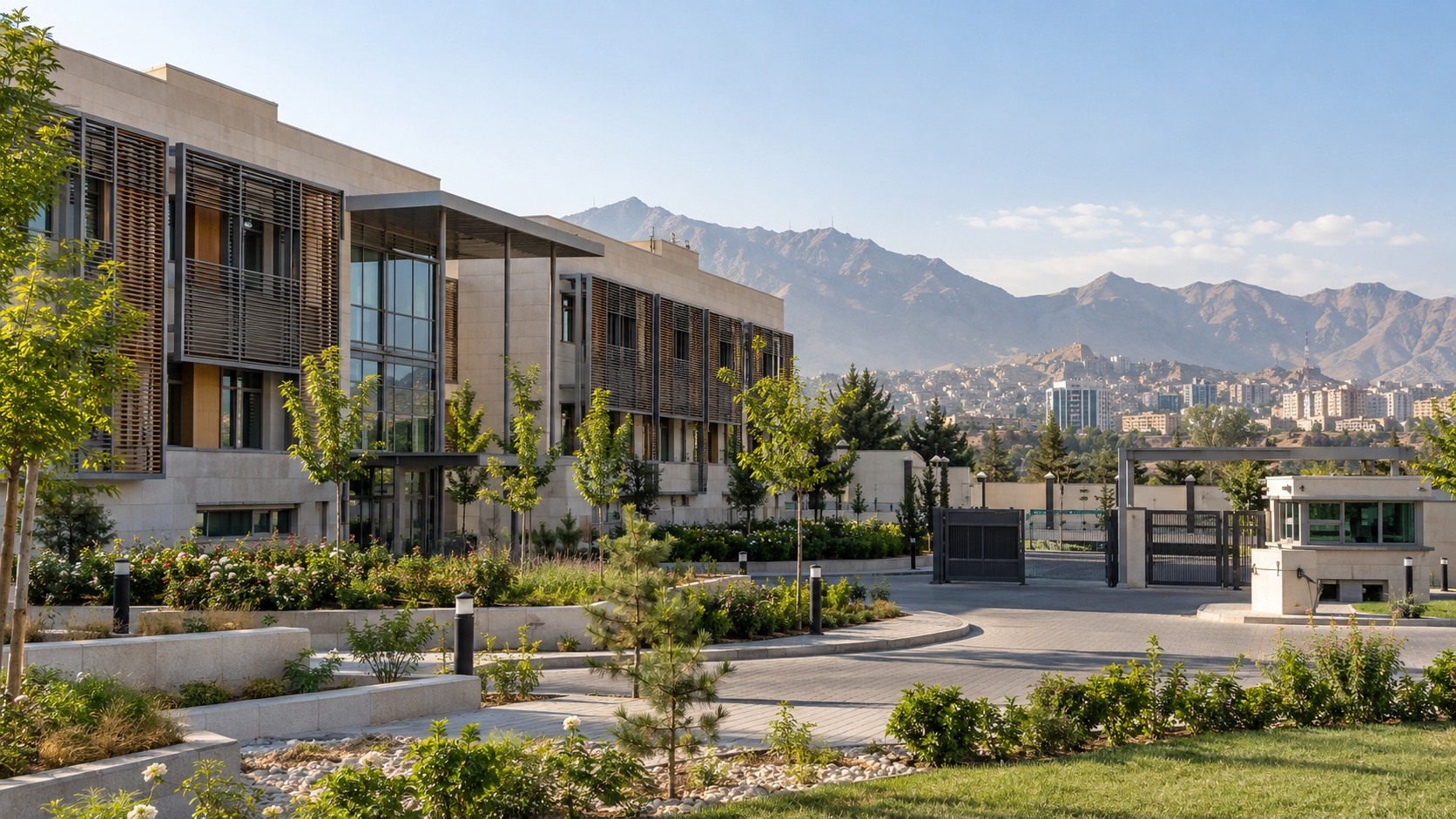
The World Bank Group’s own office building in Kabul earned LEED BD+C Gold certification and the associated LEED Earth Award, built between 2016 and 2019 and designed by En3 Sustainability Solutions. The building reduced potable water use by more than 45% through low-flow fixtures, combined with onsite wastewater treatment and recycling — concrete, auditable numbers rather than a general sustainability statement.
It’s a useful reference point precisely because it’s a donor-institution building certified to an international standard rather than a private commercial project — the same category of building most international financing in Afghanistan actually produces.
How Ecoinch helps

EDGE’s credit structures are built into Ecoinch, covering the same energy, water and materials-savings categories the certification is actually scored against — giving a development-funded project one place to assign each credit to a responsible party and collect the evidence a funder or auditor will eventually ask to see, instead of reconstructing it after the fact.
LEED credit structures and GRI-aligned sustainability reporting are also built in, for projects where a funder’s reporting requirements extend beyond building-level certification into broader sustainability disclosure.
How a certification project runs on Ecoinch
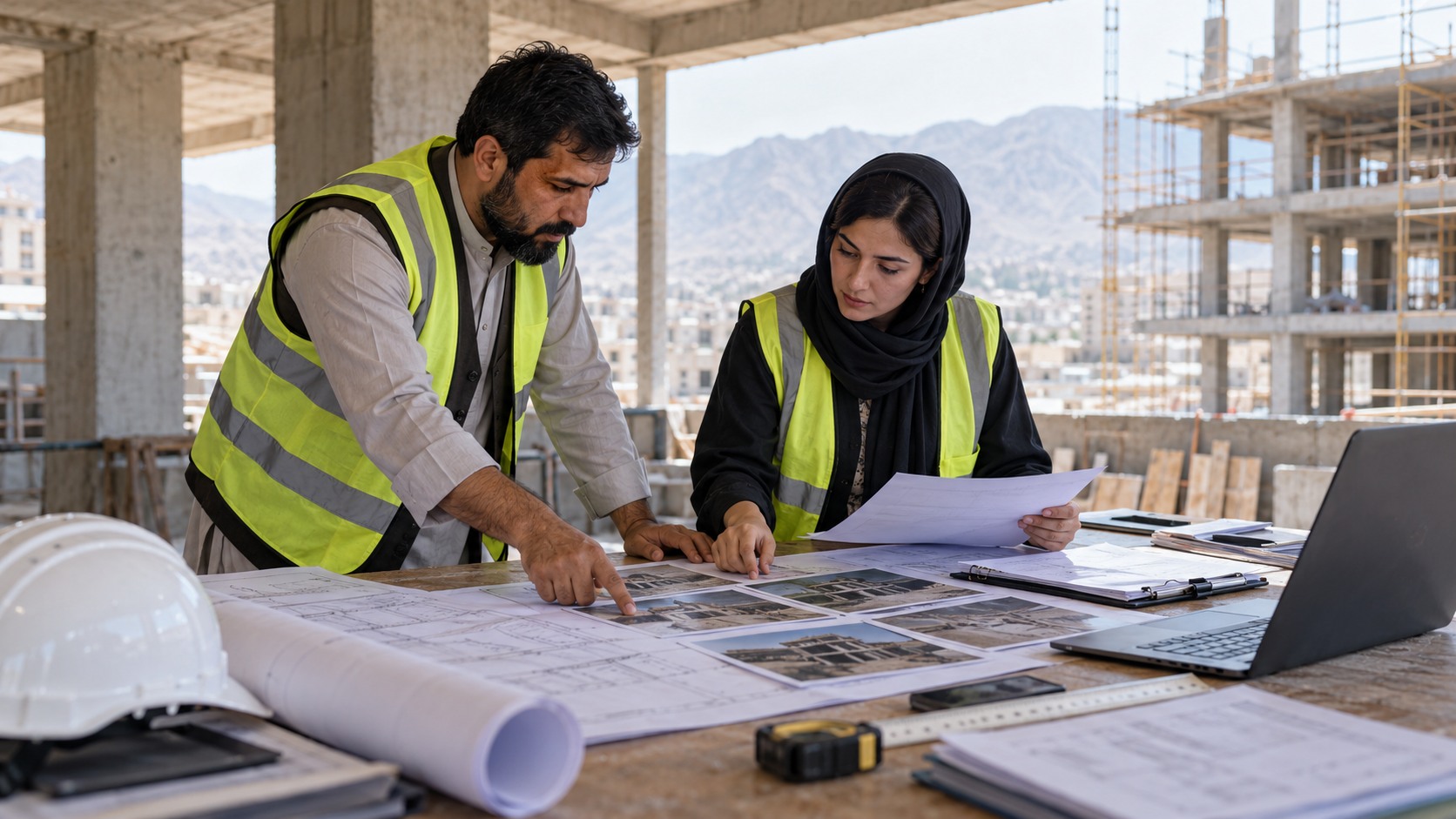
A project registers under EDGE or LEED, assigns each credit to whoever is actually responsible for producing its evidence — a contractor, a consultant, an implementing partner — and tracks collection and verification continuously, so the record a funder or certifying body eventually reviews was built step by step rather than assembled right before a deadline.