
Certification & Compliance Management for Singapore
Green Mark certification hasn’t been optional in Singapore since 2008. Here’s what that means for how certification and ESG reporting teams actually need to work.
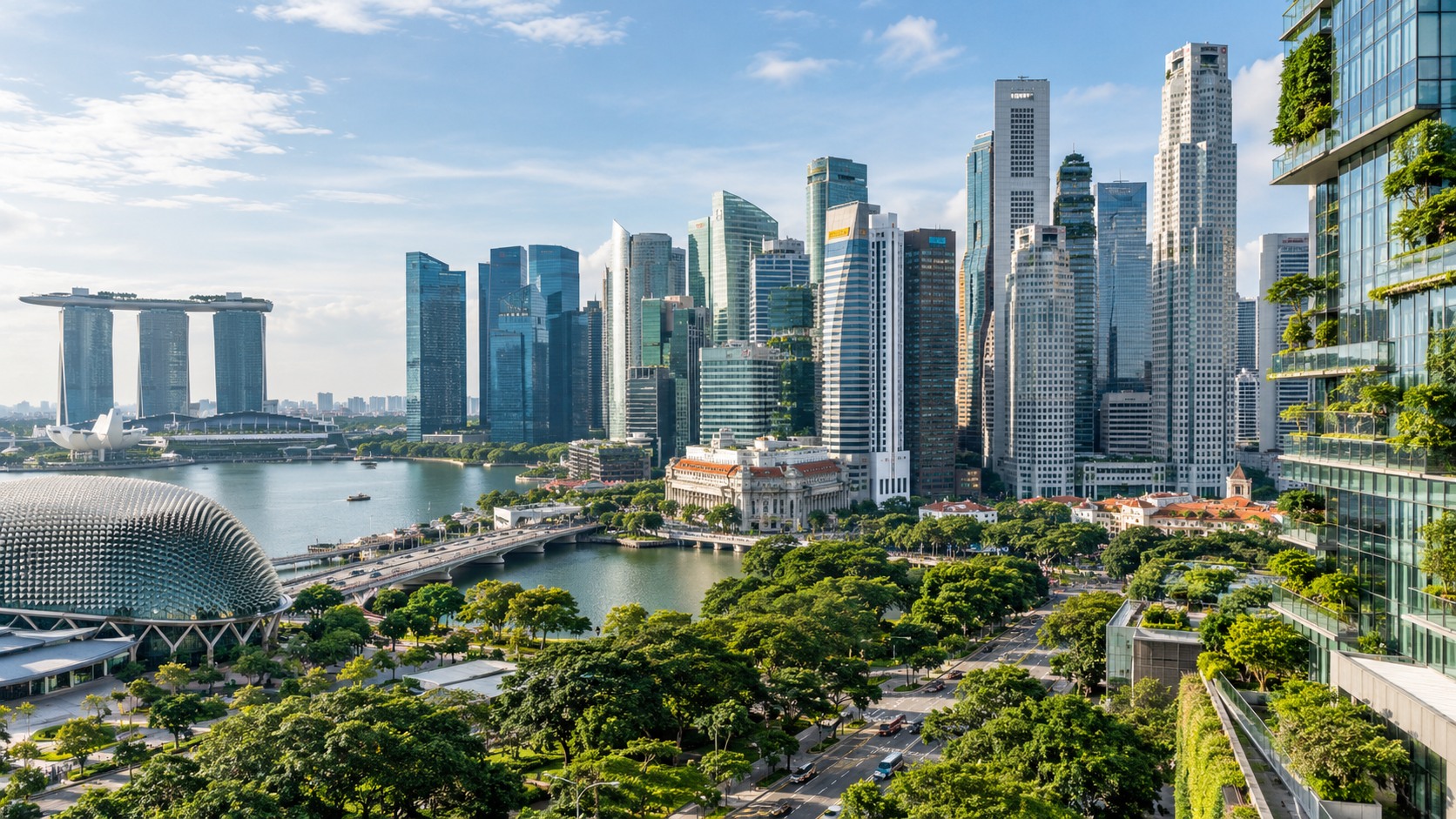
Singapore’s Building and Construction Authority made Green Mark certification mandatory for new buildings and major retrofits under a 2008 amendment to the Building Control Act — one of the earliest moves anywhere to turn green building certification from a voluntary extra into a legal requirement. The scheme has kept evolving since: the GM:2021 update added a Super Low Energy tier that now ranks above Platinum, GoldPlus and Gold, and over half of all Green Mark-certified buildings in the market have reached that top Platinum tier or higher.
The certification has become a real commercial signal, not just a compliance checkbox. One JLL occupier survey found seven in ten tenants willing to pay up to a 10% rent premium to lease a green-certified building — a number that turns Green Mark from a regulatory requirement into a leasing advantage for developers who track and maintain it properly.
Why certification and ESG reporting matter in Singapore
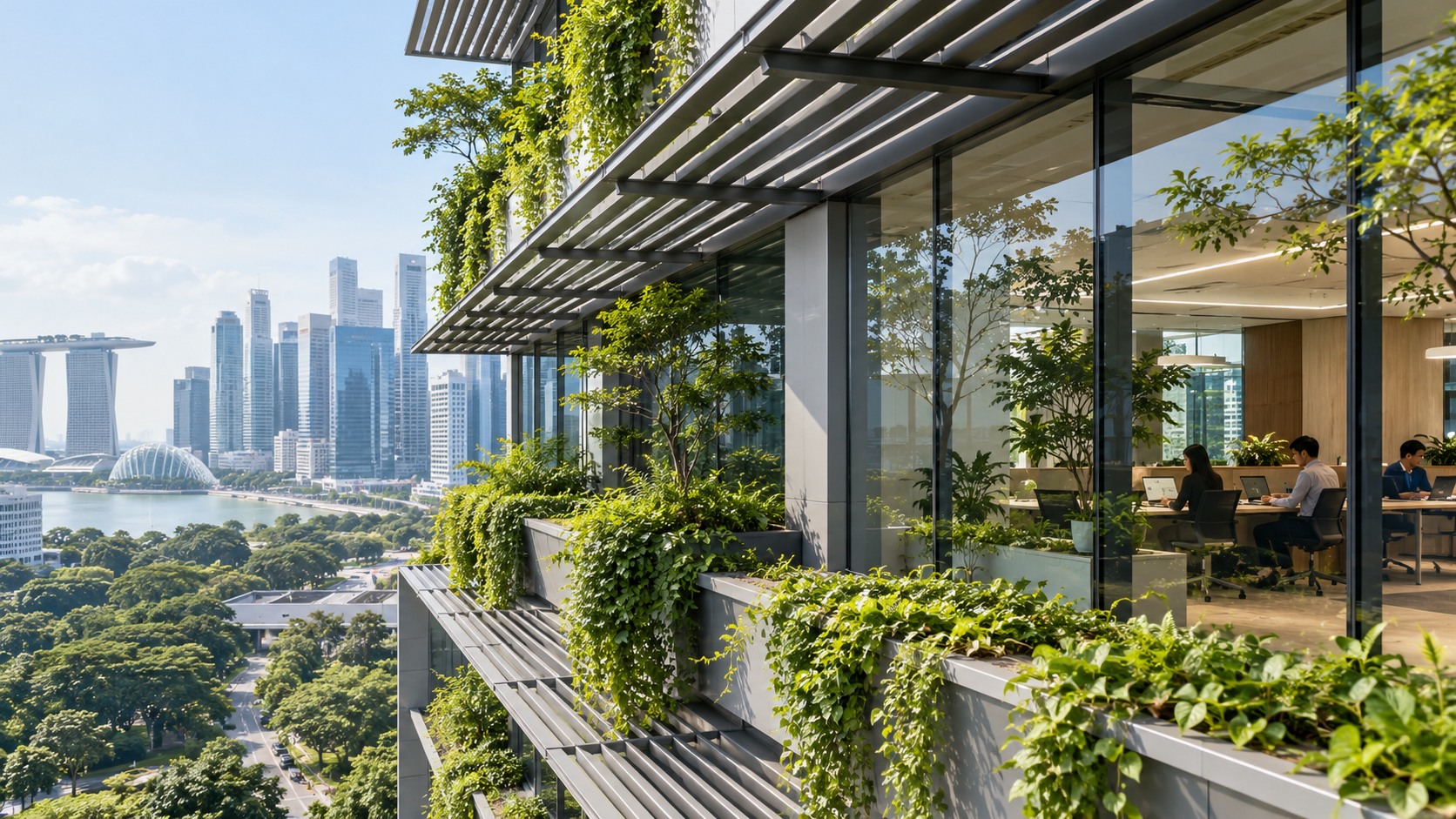
Green Mark’s energy, indoor air quality, greenery, materials and water-efficiency credits now feed directly into a second obligation: Singapore Exchange-listed companies face mandatory Scope 1 and Scope 2 greenhouse-gas emissions disclosure, with the building-level energy data a Green Mark submission already collects doubling as the operational-carbon evidence an SGX sustainability report needs. For a listed developer or REIT, that overlap means a certification project and an ESG disclosure obligation are increasingly the same underlying dataset, viewed from two different angles.
Listed real estate companies and developers already score comparatively well on governance disclosure versus other industries in Singapore, per one benchmarking report — reflecting how deeply certification and disclosure have become part of how the sector operates, not an occasional project add-on.
How far Green Mark certification has spread
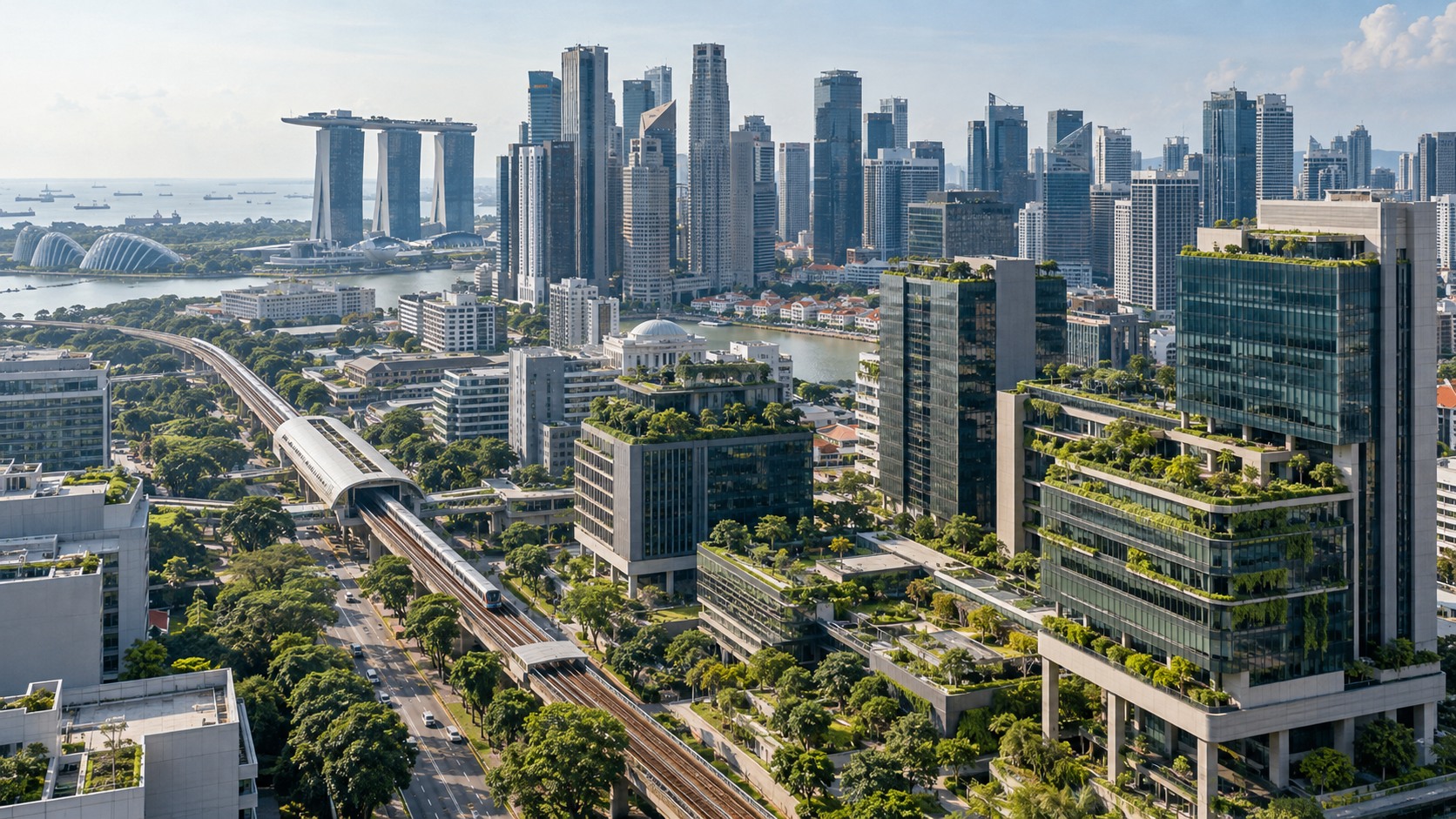
CapitaLand’s own portfolio is a useful proxy for how deeply Green Mark has spread through Singapore’s real estate sector: the developer holds 24 total Green Mark Platinum Awards, and more than 80% of its Singapore properties have been certified at Green Mark Gold or higher. That’s not an isolated flagship project — it’s a portfolio-wide standard.
The direction of travel keeps pushing upward, not just wider: the GM:2021 update introduced a Super Low Energy tier that now sits above Platinum, GoldPlus and Gold, meaning even an already-certified Platinum building has a further tier it could still pursue.
A closer look: LogisTech’s Green Mark Platinum upgrade
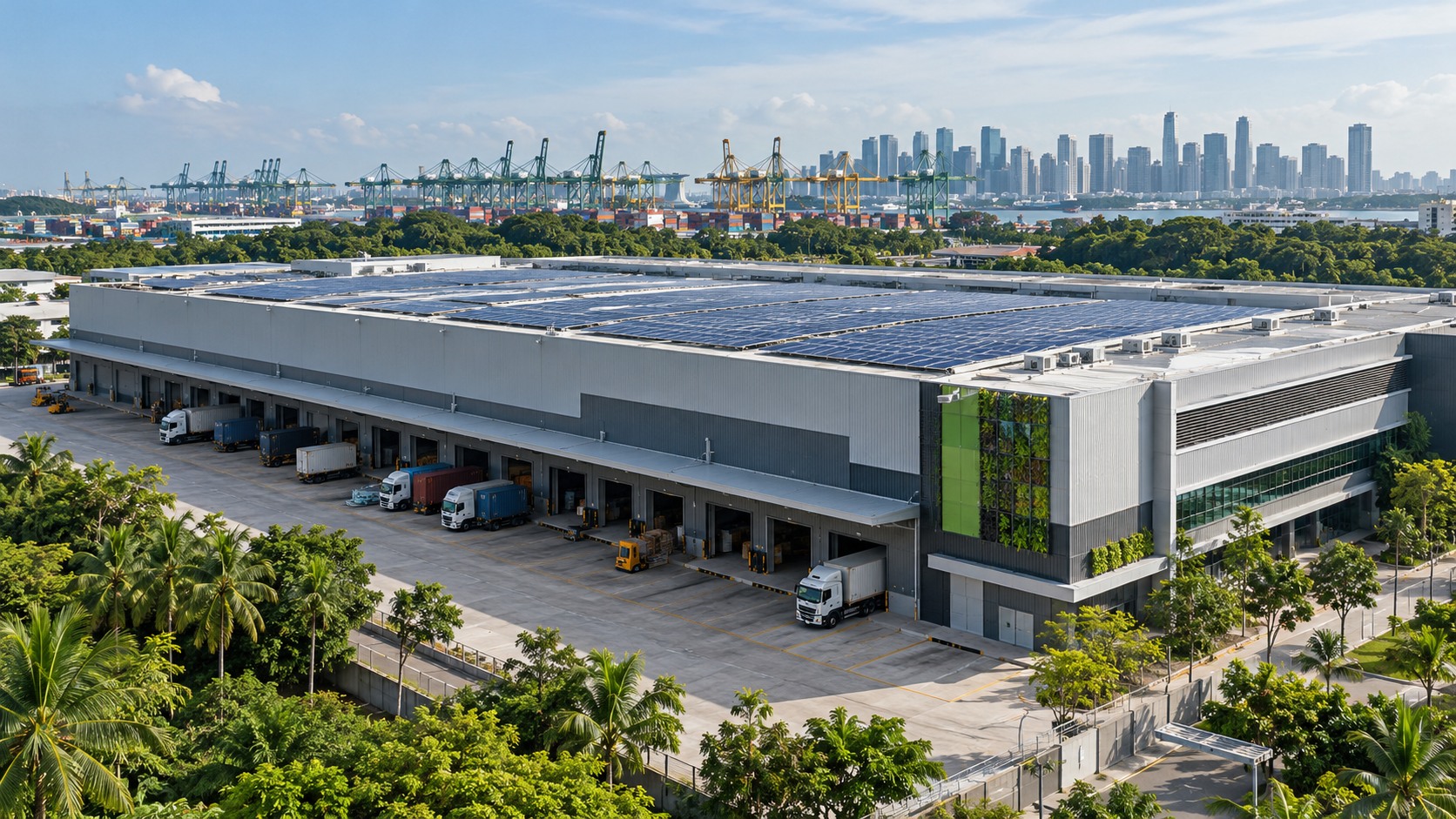
LogisTech became the first logistics building in Singapore to earn the BCA Green Mark Platinum Super Low Energy Award — one of the highest tiers in the entire Green Mark scheme — following a major retrofit that included rooftop solar panels. The project is a useful example precisely because logistics buildings aren’t the obvious green-certification candidate the way office towers are, yet the same credit structure applied.
JCube, a mall built around Singapore’s only Olympic-size ice rink, reached Green Mark Platinum in 2016 — another example of the scheme covering building types well outside the typical office-tower showcase.
How Ecoinch helps

Green Mark credit structures are built into Ecoinch alongside LEED and EDGE, not handled as a generic checklist — covering the energy, materials, water and indoor-environment categories the scheme actually scores against. GRI-aligned sustainability reporting sits in the same workspace, so the same evidence a Green Mark submission needs can support an SGX disclosure obligation without being re-collected from scratch.
For a developer or REIT managing certification across multiple buildings at once, that means one live view of readiness instead of a separate spreadsheet per property.
How a certification project runs on Ecoinch

A project registers and selects Green Mark, LEED or EDGE as its framework, assigns each credit to a responsible owner, and tracks evidence collection and submission readiness continuously — the same structured cycle whether it’s a single building pursuing its first certification or a portfolio managing Green Mark renewals across a dozen properties at once.